Rhada BloomBack to Seven Invitations

Invitation 4

Undeveloped Skill

Some behavior is not simple refusal. It may be the visible sign of a skill that has not become stable under real conditions yet.

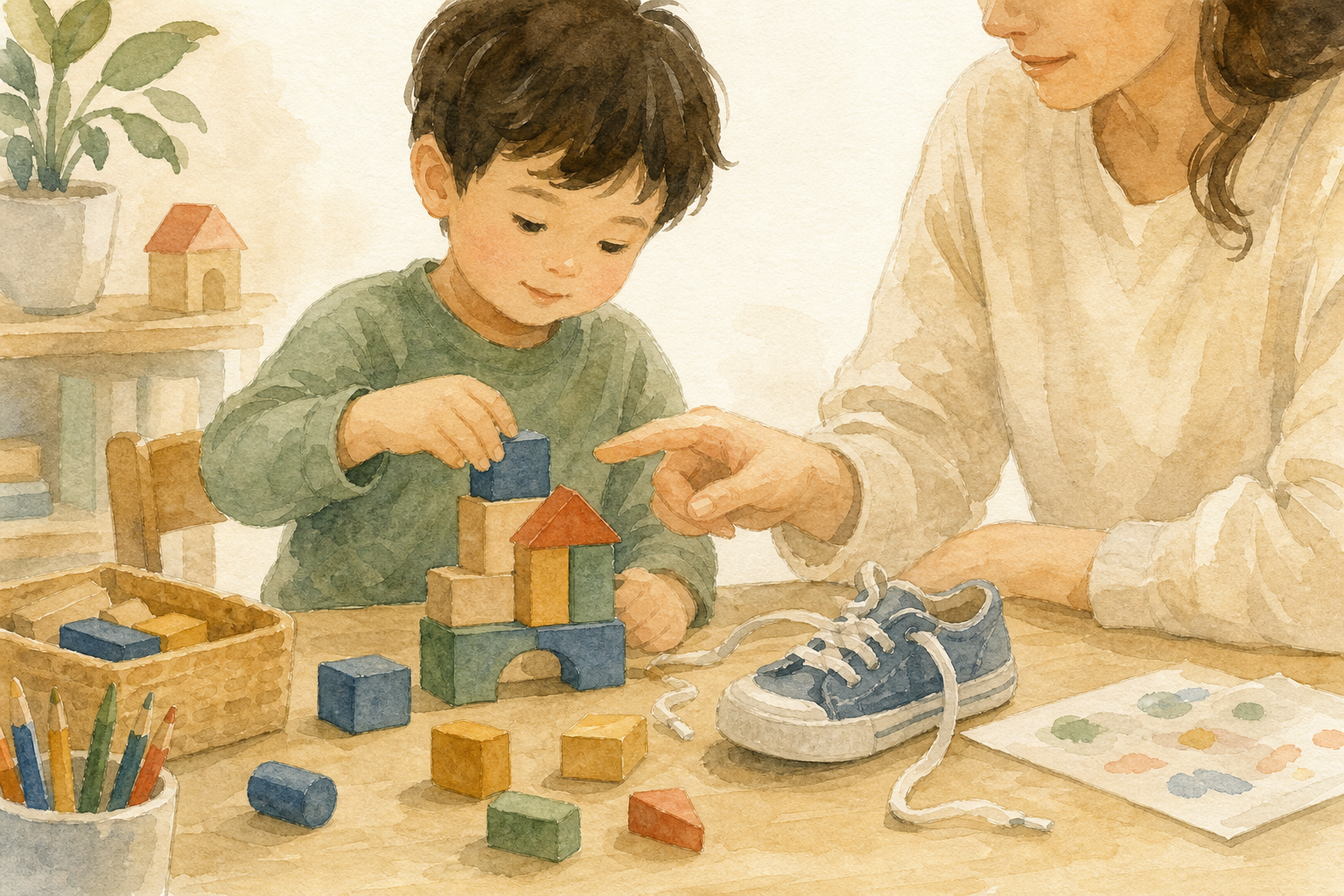
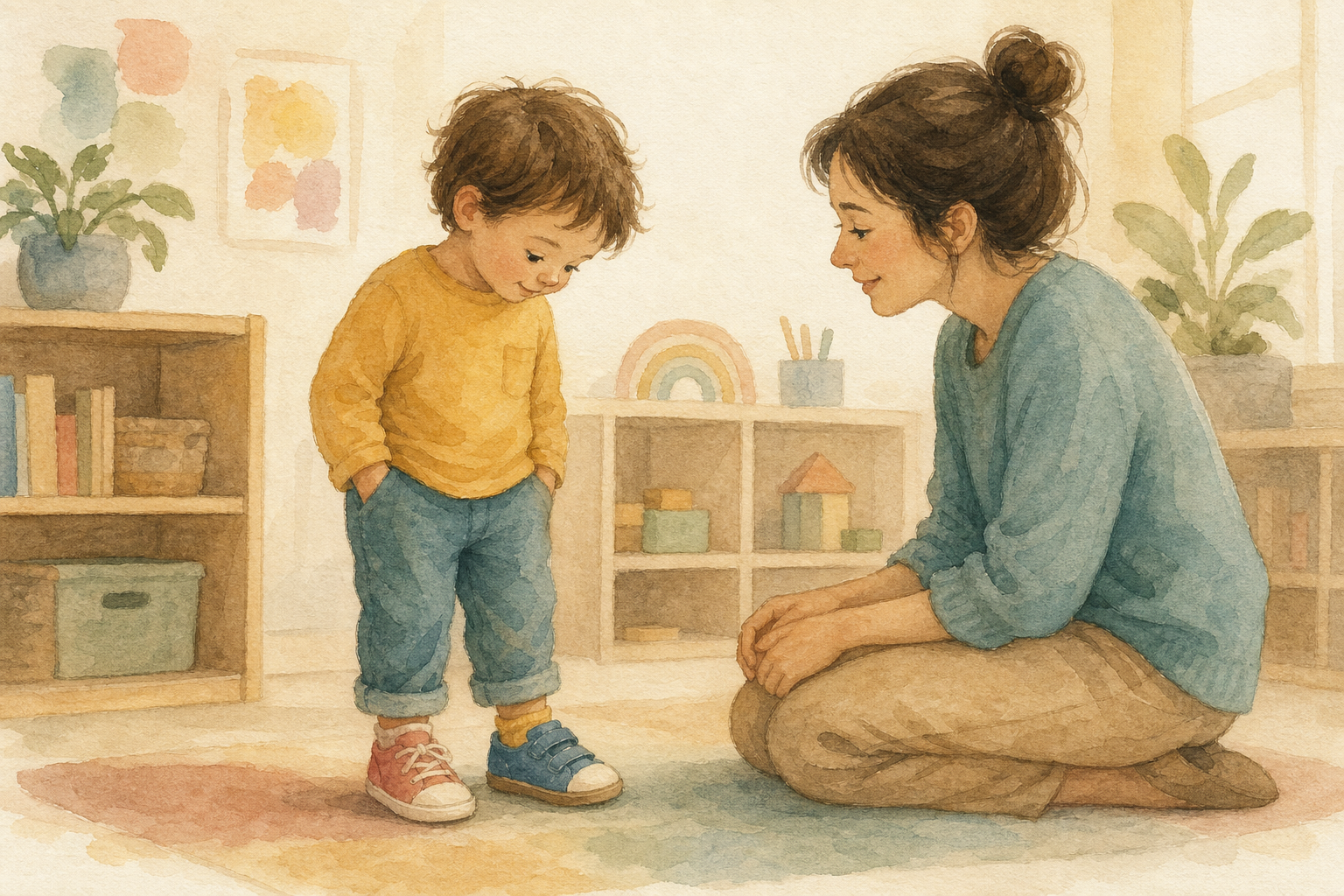
Child practicing a small daily skill in watercolor.

The plain idea

Skill comes before consistency.

People cannot reliably perform a skill they have not practiced enough in the setting where it is expected.

Pressure can hide capacity.

A person may do the skill on a calm day and lose it when tired, hungry, rushed, ashamed, overstimulated, or afraid.

Guidance beats blame.

If the problem is skill, the answer is modeling, scaffolding, rehearsal, feedback, and smaller steps.
How to use it

Use this door when the same problem repeats even after reminders, consequences, or lectures. Repetition can mean the person still lacks a usable skill, not that they need a stronger accusation.

Look for the missing skill underneath the behavior. Is it planning, impulse control, flexible thinking, emotional regulation, language, motor coordination, time awareness, repair, or asking for help?

  • Lower the demand enough for the person to succeed once.
  • Model the skill out loud before expecting independent use.
  • Practice when the person is calm, not only during the problem moment.
  • Measure progress by recovery time, not instant perfection.
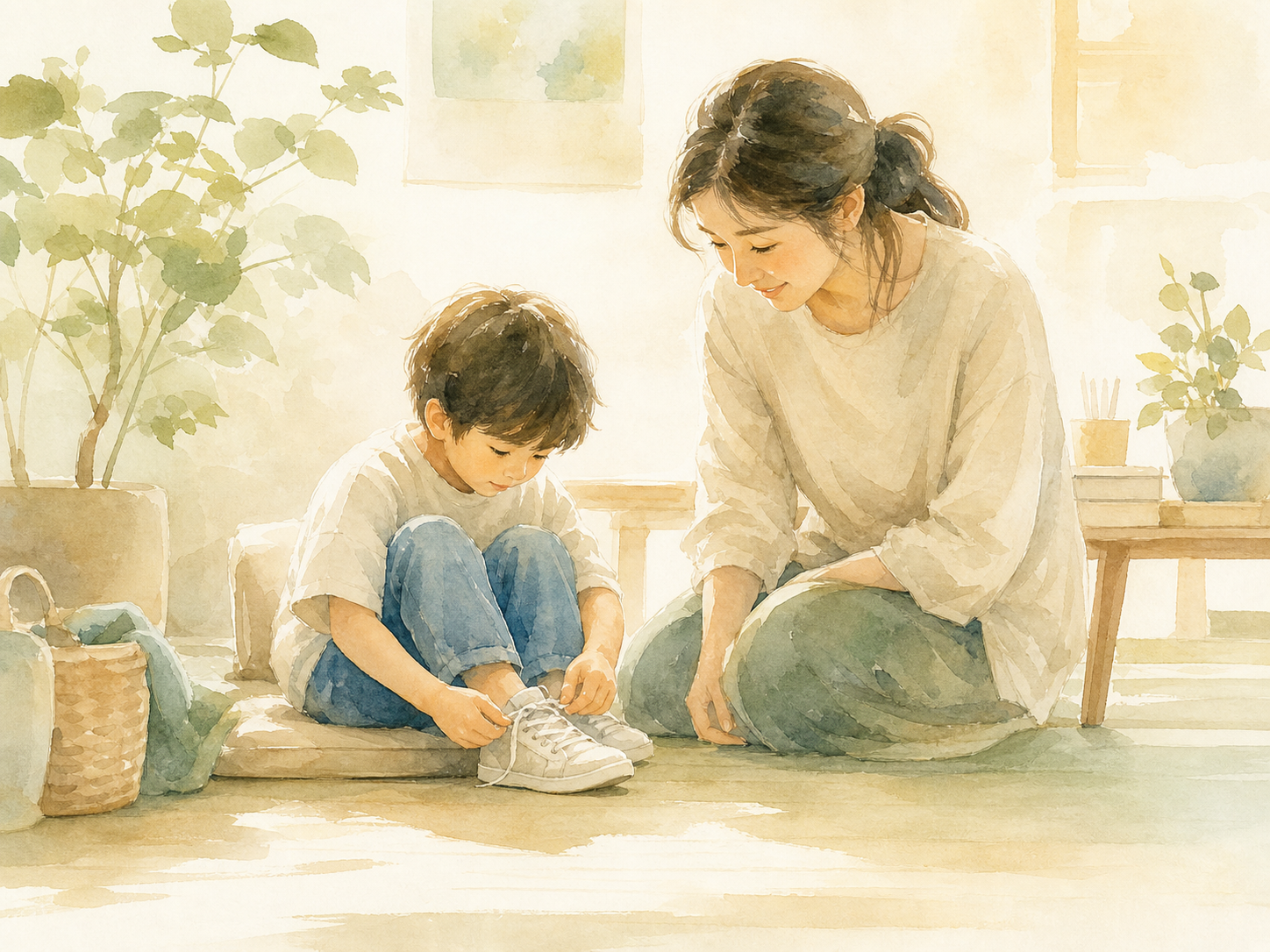
Minimal watercolor painting of practicing a skill.
Child with mismatched shoes.

Words you can use

When a child keeps forgetting"This is not automatic yet. Let us make the first step smaller and practice it together."
When a student melts down"The demand may be bigger than the skill right now. What support would help you take the next step?"
When an adult is building a habit"If the plan only works on perfect days, the plan is too fragile. Let us design the low-energy version."
Watercolor image of skill practice.
Minimal watercolor painting of skill practice.
Life map watercolor image.

Real example

What it may look like

A child melts down during transitions, forgets multi-step routines, interrupts constantly, or cannot repair after conflict without adult help.

Too-fast correction

"You know better. You are choosing this." Sometimes the person knows the rule but cannot access the skill yet.

Better question

"Which skill is missing: planning, impulse control, language, flexibility, emotional regulation, or repair?"

Consequences may stop a moment. Skill-building changes the pattern.

Where the science points

Vygotsky's zone of proximal development explains why learners benefit from support that bridges the space between current ability and independent mastery.

Research on Collaborative Problem Solving, associated with Ross Greene and colleagues, frames many challenging behaviors as lagging skills and unsolved problems rather than simple defiance. Controlled studies suggest CPS can reduce oppositional behavior and may perform comparably to established parent-management approaches in some contexts.

  1. Vygotsky, L. S. (1978). Mind in Society: The Development of Higher Psychological Processes.
  2. Greene, R. W. et al. (2004). Effectiveness of collaborative problem solving in affectively dysregulated children.
  3. Ollendick, T. H. et al. (2016). Parent management training and collaborative & proactive solutions in children with oppositional defiant disorder.