

Rhada Bloom

Interactive Essay + Visual Quiz

Am I Wrong, orJustUntranslated?

A practical framework for slowing down judgment, naming what is actually happening, and choosing a response that teaches, protects, repairs, or listens.

A minimal watercolor line drawing of a child and adult standing before a branching life map.

Use this page when a behavior feels wrong but the right response is not obvious. It helps you separate mistake, boundary, missing skill, social rule, untranslated self, and repair.

Sometimes what looks "wrong" is not a moral failure.

It may be a child testing how the world works. It may be a skill that has not developed yet. It may be someone living outside a rule they never chose. It may also be a real boundary issue that needs clarity and repair.

The useful question is not only "Was this wrong?" A better question is "What kind of wrong is this, and what kind of care does it need?"

This page gives you a practical sorting tool. Use it slowly, especially when you are tired, angry, embarrassed, or tempted to explain someone's whole character from one moment.

A minimal watercolor line drawing of a child wearing mismatched shoes while an adult kneels calmly nearby.
A mistake is not a verdict. Often, it is learning becoming visible.

Use It In Real Life

A slower way to respond.

1. Describe only what happened.

Start with observable facts. "The cup spilled" gives more room for learning than "You are careless."

2. Find the category.

Ask whether the moment is mainly a mistake, boundary, missing skill, social rule, untranslated self, or repair issue.

3. Choose the matching response.

Teach mistakes, protect boundaries, practice skills, examine rules, listen to misfit, and repair harm.

When you feel reactive

"I need one minute. I want to respond to the real issue, not just my first emotion."

When someone feels accused

"I am not deciding who you are. I am trying to understand what happened and what would help next."

When repair is needed

"We can keep dignity in the room and still take responsibility for the impact."
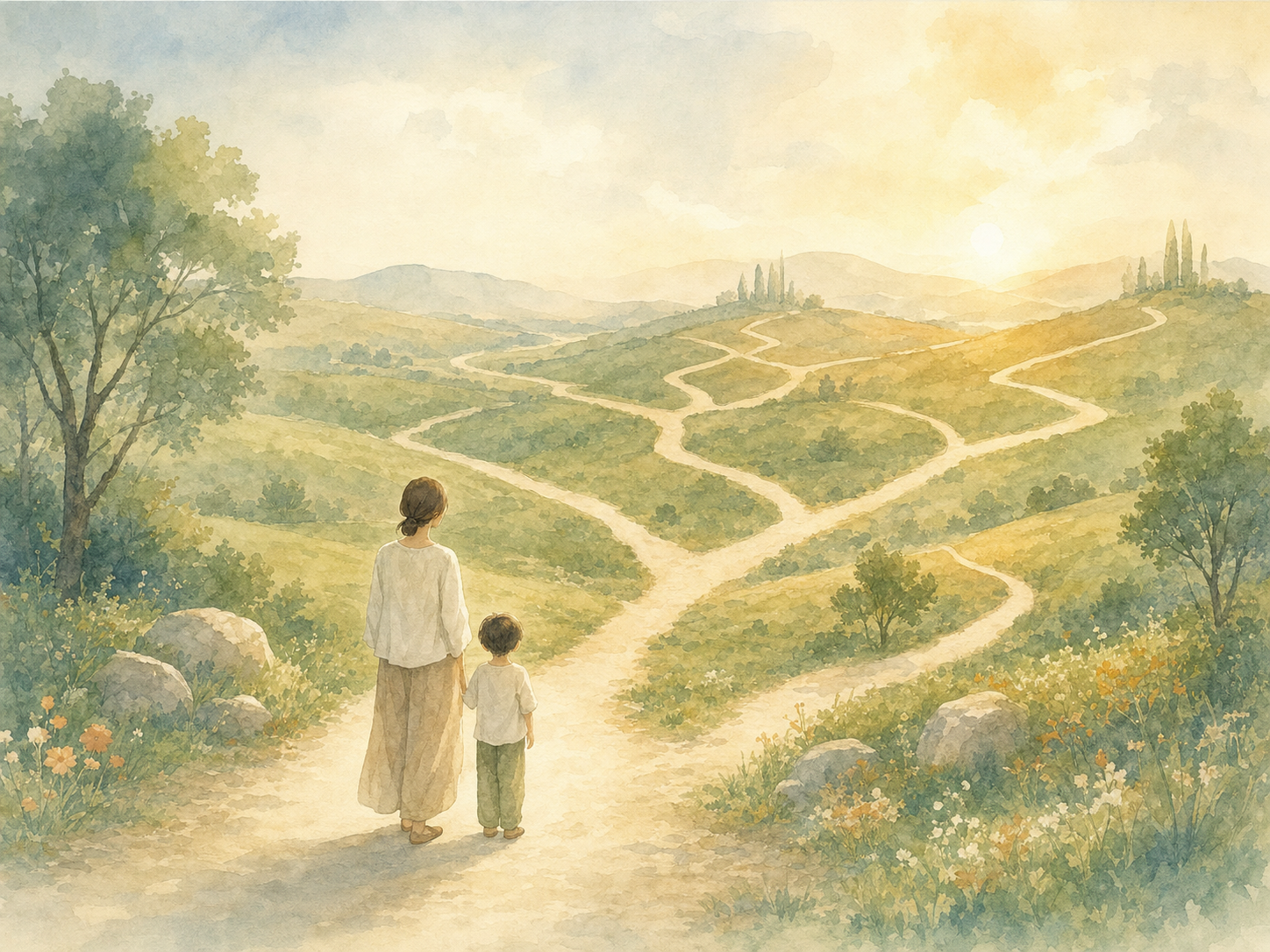
Minimal watercolor painting of a life map.
Find the map.
Minimal watercolor painting of learning from a mistake.
Use the error.
Minimal watercolor painting of a calm boundary.
Protect the line.
Minimal watercolor painting of gentle repair.
Make repair possible.

The Four Doors

Before you correct, find the right door.

1

Mistake

If no one was seriously harmed and the person is still learning, treat the error as information. Teach the next step without making it an identity.

2

Boundary

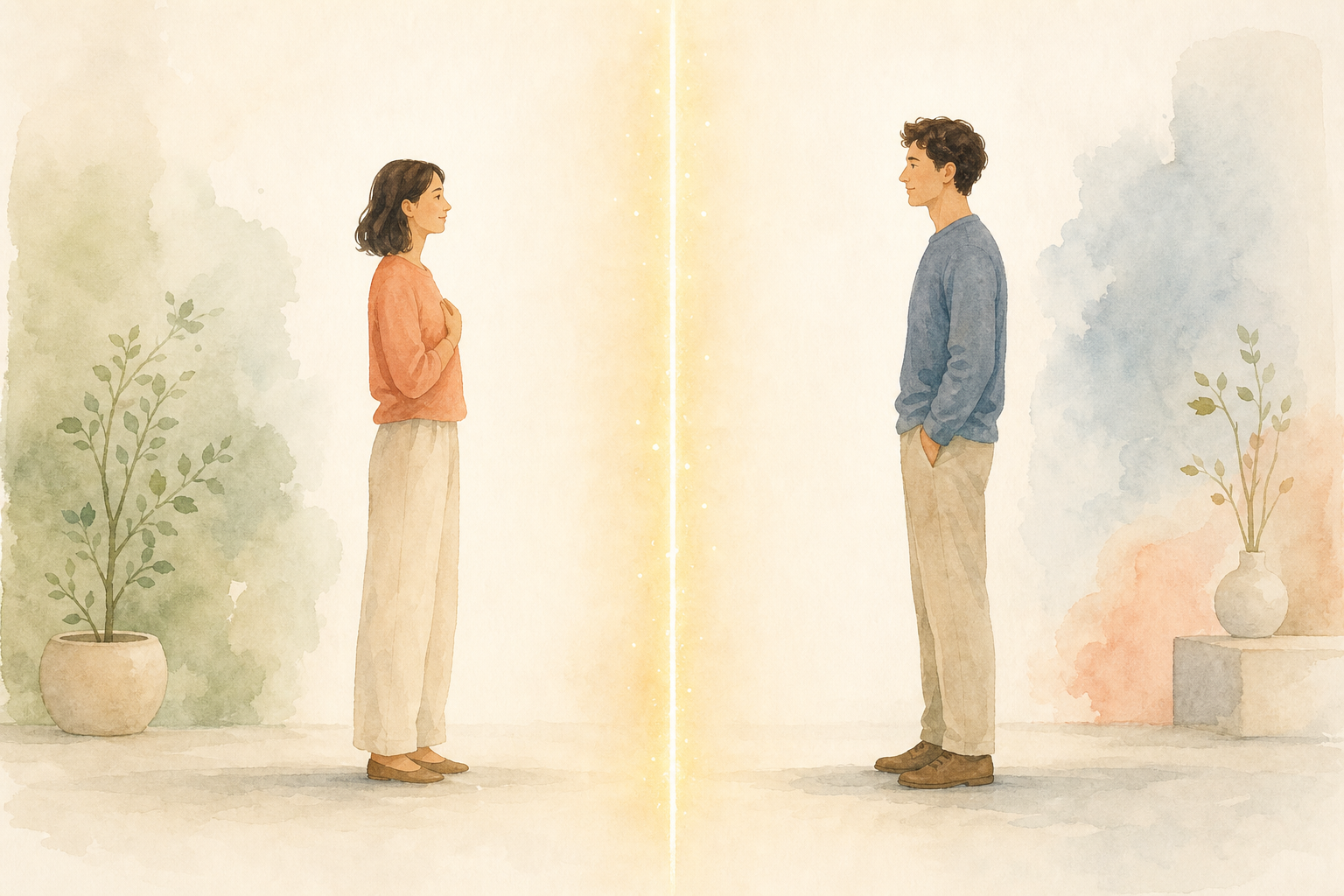
If safety, dignity, privacy, consent, or rights were crossed, the response needs clarity, protection, and repair.

3

Undeveloped Skill

If the same problem repeats despite reminders, look for the missing skill: planning, regulation, language, flexibility, or repair.

4

Untranslated Self

If the person keeps looking wrong in one setting but alive in another, investigate fit before forcing them to become smaller.

A minimal watercolor line drawing of two people standing calmly with a boundary line between them.

Clarity Without Shame

Correction becomes gentler when the category is clear.

When everything is treated as a character flaw, people hide. When every boundary is treated as a preference, people get hurt. When every social rule is treated as morality, difference becomes shame. A better category makes a better repair possible.

Visual Quiz

What kind of "wrong" is this?

1. Did this action cross someone's safety, dignity, privacy, consent, or rights?
2. Could the person reliably do the better behavior under real conditions?
3. Is the main issue that this breaks a social rule, image rule, or group habit?
4. Does this reveal a deeper difference in values, needs, temperament, pace, or calling?

The goal is not to prevent every mistake.

The goal is to build a life where mistakes can become information, boundaries can be protected, skills can be practiced, social rules can be questioned, and a person can finally begin to understand who they were made to become.

When in doubt, slow the sentence down. Replace "What is wrong with you?" with "What is this moment asking for?"

A minimal watercolor line drawing of an adult and child sitting together near a repair card.
Repair works best when dignity stays in the room.

Journal Prompt

Pause before you name it wrong.

Choose one recent moment that bothered you. Describe it without labels, run it through the quiz, then write one sentence you could use next time.